Businesses spend millions to ensure their ads reach the right audience. But what if a significant portion of that traffic isn’t even human? Fake bot traffic is on the rise, draining ad budgets and providing zero real conversions. If you’re not carefully monitoring your ad campaigns, you could be falling for a massive digital scam. Here’s how organic ad delivery differs from bot-inflated ad traffic and what you can do to protect your investments.
1. Organic Ad Delivery Connects You with Real Customers

When an ad campaign is delivered organically, it reaches a targeted audience through interest-based placements, engagement-driven algorithms, and verified user interactions. These campaigns generate meaningful clicks, real visits, and actual sales or conversions. Platforms like Google, Facebook, and LinkedIn prioritize delivering ads to genuine users, but that doesn’t always guarantee protection from fraudsters.
2. Fake Bot Traffic Mimics Human Behavior But Delivers No ROI

Fraudulent ad networks deploy automated bots to fake clicks, views, and interactions. These bots are programmed to behave like human users—they scroll, click, and even engage, but they never convert into real customers. The worst part? Advertisers unknowingly pay for these fake engagements, thinking their campaign is successful—until they realize there’s no actual revenue generated.
3. High Clicks, No Conversions? You’re Probably Paying for Bots

One of the biggest red flags of bot traffic is when your ad campaigns show high click-through rates (CTR) but extremely low conversions. If you’re getting thousands of ad clicks but no leads or sales, your traffic is likely inflated by bot farms. Fraudsters profit from draining ad budgets through fake interactions, and many advertisers don’t realize it until it’s too late.
4. Ad Fraud Is a Multi-Billion Dollar Industry
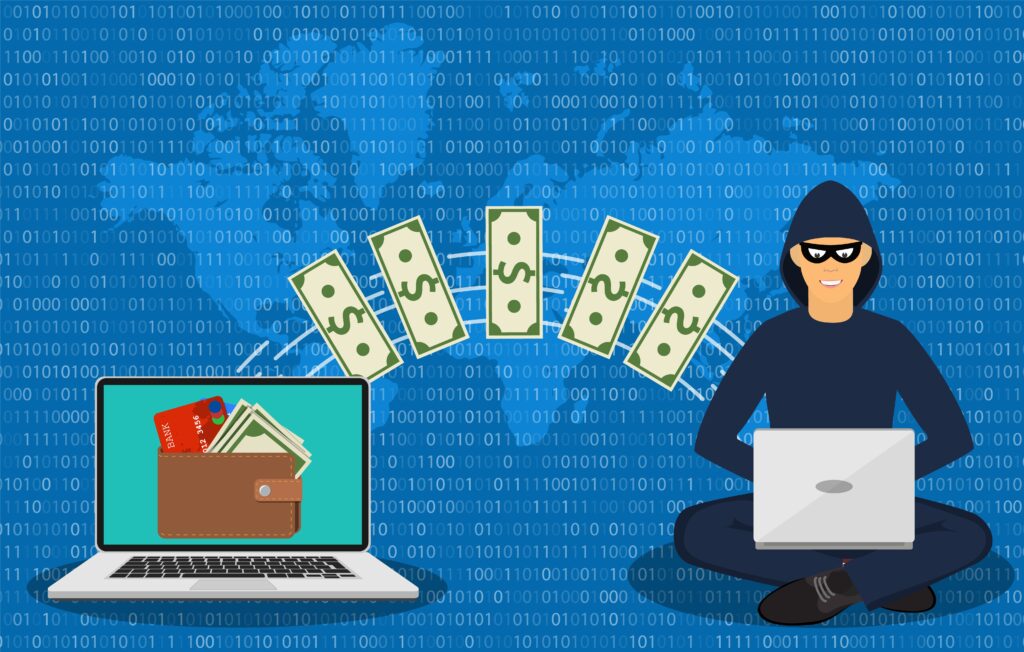
Digital ad fraud is not a small-scale issue, it’s a $100+ billion problem globally. Fraudsters create fake ad networks, bot farms, and click farms that manipulate campaign performance data. Even major platforms struggle to filter out all fraudulent traffic, making it essential for advertisers to track and verify their audience sources.
Organic Ad Delivery vs. Fake Bot Traffic: The Key Differences
| Factor | Organic Ad Delivery | Fake Bot Traffic |
| Traffic Source | Real users engaging with content | Automated bots mimicking human behavior |
| User Intent | Genuine interest in the product/service | No real interest, just programmed clicks |
| CTR (Click-Through Rate) | Normal, varies by niche | Extremely high but misleading |
| Bounce Rate | Moderate to low, indicating engagement | Extremely high, as bots exit quickly |
| Conversions & Sales | Real leads, sign-ups, and purchases | No actual conversions or meaningful actions |
| Engagement | Comments, shares, and discussions | No real user interaction |
| Ad Spend ROI | Profitable, bringing in genuine customers | Money wasted with no return |
| Fraud Detection | Does not trigger fraud alerts | Often flagged by ad verification tools |
| Risk Level | Low, ensures budget is used effectively | High, leads to financial loss and skewed data |
5. How to Protect Your Ad Budget from Fake Bot Traffic (Smart Tips to Stay Safe)
To prevent ad fraud and ensure organic delivery, here are strategic tips to keep your campaign safe:
- Use ad fraud detection tools like ClickCease, Forensiq, or TrafficGuard to filter out suspicious traffic sources.
- Analyze post-click behaviour: Real users browse multiple pages, watch videos, and interact; bots drop off instantly.
- Check engagement quality: Fake traffic shows no meaningful interactions (e.g., no comments, shares, or time spent on the page).
- Monitor campaign performance: Look for sudden spikes in traffic with no corresponding increase in conversions.
- Use reCAPTCHA or bot detection scripts: Adding basic bot filters on landing pages can help separate real users from fake traffic.
- Refine audience targeting: Fraudulent clicks often come from low-quality sources. Stick to geographically verified locations.
- Test campaigns with a small budget first: Instead of launching a full-budget ad, start small and analyze where traffic is coming from.
Are You Being Scammed Without Knowing It?
If your ad campaigns are losing money without driving real results, you need to investigate your traffic sources. The rise of fake bot-driven ad fraud is costing businesses billions, but with the right tracking tools and fraud prevention strategies, you can ensure that every rupee spent reaches real humans—not empty clicks.