
By conducting a digital audit, you can improve your site’s performance, visibility, and conversion rates.
Think of your website as your storefront. If it’s broken, customers won’t step inside. Simply put, a lousy website equals lost customers, which means you are more likely to lose them to your competitor. But don’t worry—we are here to help you make a comeback by fixing these standard website issues. In this blog, we have identified the common website issues that can make or break your business and how a digital audit can fix these.
Key Website Issues a Digital Audit Can Fix for Better Performance
Issue 1: Slow Website Speed
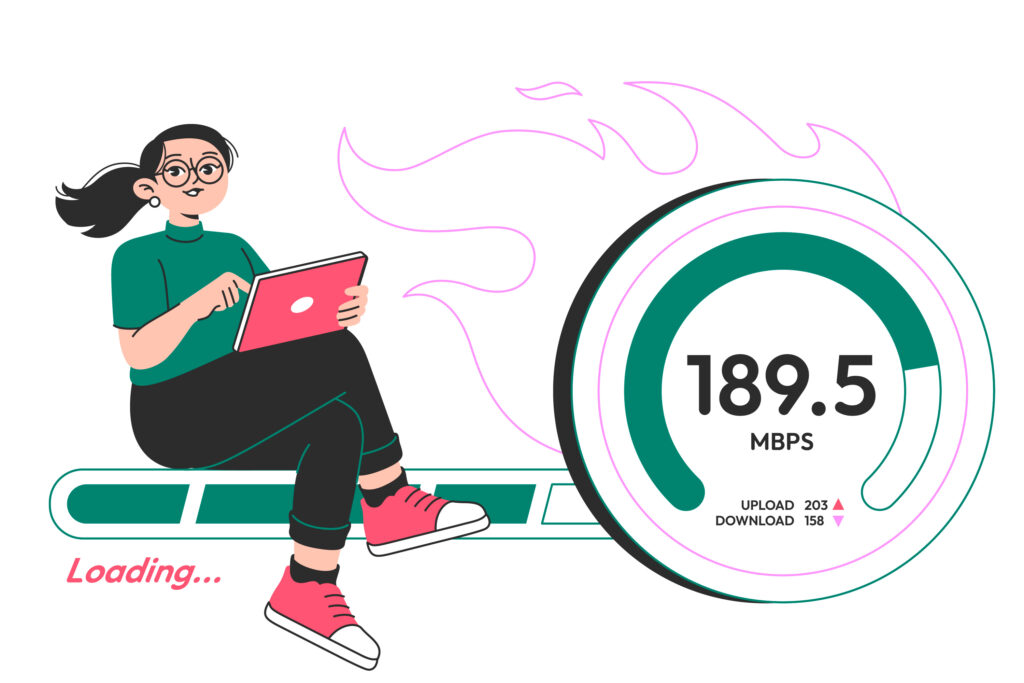
Problem: Do you know 90% of websites miss critical SEO gaps, and a 1-second delay can reduce conversions by 20%? Yes! You read it right. Slow-loading pages can significantly impact your website because 47% of consumers expect a web page to load in 2 seconds or less. They might shift towards your competitors.
The Advantages of Conducting a Digital Audit:
- Identifies large image files, excessive scripts, and unoptimised code that slow down your site.
- Recommends solutions to reduce load times, such as using Content Delivery Networks (CDN), implementing caching, and using minification techniques.
- Suggests compressing images and using lazy loading techniques to ensure faster page loading across all devices.
Issue 2: Poor Mobile Optimization
Problem: Do you know Google prioritises mobile-friendly websites in its search results, using the mobile version of a site to determine ranking and indexing, so businesses should ensure their websites are optimized for mobile devices? That’s right, so if your site is having poor mobile optimisation, then visitors are 5 times more likely to leave.

How a Digital Audit Helps:
- Detects unresponsive design elements and issues with viewport settings that cause display problems on mobile devices.
- It recommends an easy-to-navigate mobile-first design that will prevent users from reaching a dead end and enhance usability and engagement.
- Recommends suggestions on fast-loading pages (AMP – Accelerated Mobile Pages) for seamless mobile experiences.
Issue 3: Broken Links & 404 Errors
Problem: Broken Links & 404 errors can lead your potential customer to a dead end. They suggest to search engines like Google or Yahoo that your website isn’t well-maintained, which hurts credibility.

How a Digital Audit Can Bring Value and Insights:
- Scans your site to identify all broken links, including 404 pages and internal linking errors that disrupt site navigation.
- It provides recommendations for 404 redirects to 301 or 302 to relevant pages and suggests URL restructuring to avoid broken links.
- Ensures internal linking of high authority pages for consistency and recommends proper anchor text to enhance user experience.
- Suggest using a robots.txt file to block Googlebot’s access to problematic URLs.
Issue 4: Weak SEO Performance
Problem: SEO is the backbone of your business website, and if not implemented properly, your website will struggle with poor visibility, lower search rankings, and reduced traffic, ultimately impacting conversions and growth.

Key Benefits of Implementing a Digital Audit:
- Checks meta tags, header tags, alt texts, and keyword optimization to ensure that each page is optimized for the right search terms.
- Identifies duplicate content and areas where structured data is missing or incorrect.
- Provides insights on on-page SEO strategies and technical improvements like fixing XML sitemaps, robots.txt files, and canonical tags.
- Identify whether interlinking is done correctly.
If you’re unsure whether SEO is right for your business, read this blog on How SEO Will Change in 2025: Game-Changing Trends and Strategies to stay ahead of the curve.
Issue 5: Higher Bounce Rate & Poor User Experience
Problem: A higher bounce rate means that your visitors are leaving your site quickly without spending time on it. This indicates either poor UX design implementation or confusing navigation. If visitors find your website design confusing, they might think of alternatives.
Unlocking the Benefits of a Digital Audit:
- Evaluate your UI/UX design, identifying issues such as slow load times, hard-to-read text, and difficult navigation.
- Provides actionable insights on improving call-to-action (CTA) placement, site layout, and user flows.
- Recommends improvements to site structure and internal linking to make it easier for users to find what they need.
So, What’s Next?
In this blog, we have covered only some of the benefits that digital audits can have for your business. But in reality, the benefits are endless. A digital audit is an essential tool for identifying and fixing a wide range of website issues. From slow loading speeds to poor mobile optimization, security vulnerabilities, and weak SEO performance, a digital audit uncovers critical problems that can hurt your website’s performance.
If you’re still unsure why your business needs a digital audit, have a quick read on The Key to Unlocking Business Growth & Gaining a Competitive Edge.