
Ever wondered why some websites rack up millions of views overnight? The truth is, many digital publishers are secretly buying bot traffic to inflate their numbers. In digital publishing, traffic is currency. More visitors mean higher ad revenue, better brand deals, and increased credibility. But when organic traffic is hard to come by, many publishers turn to bot traffic to inflate their numbers.
At first, buying bot traffic seems like an easy way to grow, but it’s a trap that can destroy a publisher’s credibility, ad revenue, and search rankings. Here’s why some publishers take this risky shortcut and why it’s a mistake that could backfire massively.
1. To Manipulate Ad Revenue (But It Can Get You Banned)
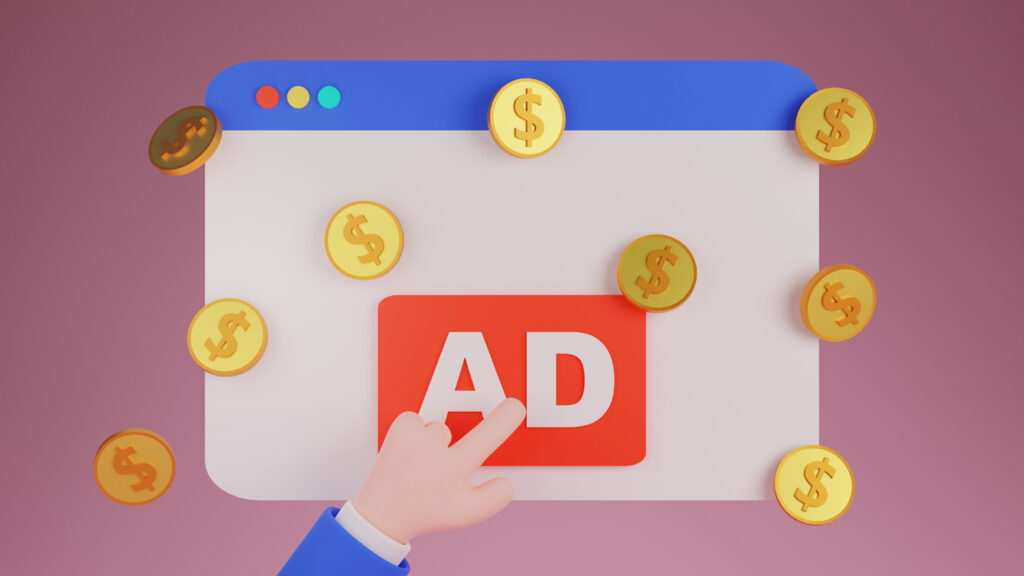
Publishers relying on Demand Side platforms (RTB) and Google, need high traffic to maximise earnings. Some buy bot traffic to inflate impressions, clicks, and engagement rates, making their ads seem more effective. This leads to temporary spikes in revenue, attracting advertisers and higher CPM rates.
However, Google’s monitoring system can flag invalid traffic. If caught, publishers face account suspension, revenue loss, or even permanent bans. Once an ad account is banned for fraud, reinstating it is nearly impossible, cutting off a crucial revenue source. Faking traffic for short-term gains can permanently damage long-term earnings.
2. To Attract Bigger Sponsorships (It Kills Trust)

Sponsorship deals depend on a publisher’s traffic stats, so some inflate visitor counts with bots to charge higher rates for brand promotions. Brands pay for exposure, expecting real audience engagement, but when fake traffic generates no leads or conversions, sponsors see no ROI and pull out. With advanced tracking tools, advertisers now detect fraud easily.
Fake traffic may secure one-time deals, but when brands realize they’ve been scammed, reputational damage is irreversible. Companies blacklist dishonest publishers, making it harder to attract future partnerships. Long-term success comes from authentic audience engagement, not artificial traffic spikes.
3. To Boost SEO Rankings (Google Isn’t That Dumb)

Some publishers buy bot-driven traffic to manipulate Google’s ranking algorithm. They believe that higher page visits, lower bounce rates, and fake referral traffic will push their content higher in search rankings.
However, Google prioritizes engagement metrics, such as dwell time, user interaction, and content value. Bots can’t mimic real human behaviour, making fake traffic easy to detect. Sites relying on bot traffic risk Google penalties, loss of rankings, and even deindexing. Instead of boosting SEO, bot-driven tactics can permanently harm organic visibility, making recovery almost impossible once flagged as spam.
4. To Appear More Credible & Gain Investor Interest (But It’s Easy to Expose)

Traffic numbers can influence investment decisions, leading some publishers to inflate visitor counts to impress investors, media buyers, or acquisition firms. They hope to appear as fast-growing digital platforms, attracting funding or partnerships. However, experienced investors analyze deeper metrics like engagement, retention, and conversions.
If a website shows high traffic but no meaningful user interactions, it raises red flags. Many investors use data verification tools to detect fake engagement. Once exposed, publishers lose credibility, and funding opportunities, and risk legal consequences for misrepresenting business performance. Real growth attracts real investors, while fake numbers invite disaster.
5. To Boost Social Shares & Virality (It Backfires Hard)

Social media algorithms favour engagement-heavy content, so some publishers buy bot-generated likes, shares, and comments to increase reach. The assumption is that if content appears viral, real users will engage naturally. However, social media platforms have advanced fraud detection systems that flag fake engagement patterns.
If a post has thousands of likes but no real discussions, it can trigger shadowbanning or account suspensions. Instead of boosting visibility, bot-driven engagement actually reduces reach. Fake virality creates short-term hype but damages credibility, making it harder for genuine audiences to trust and engage with the content.