
Search Engine Optimization (SEO) is undergoing sweeping changes. With the advancements in artificial intelligence (AI), evolving search habits along the increasing demand for authentic content, SEO is becoming mutable. For brands and companies looking to stay ahead in the game, knowing these fresh trends and working on implementing efficient strategies to play along is key to surviving.
The Rise of AI in Search
AI’s integration into search engines is reshaping how informHow SEO Will Change In 2025: Top Trends and Strategiesation is processed and presented. Google’s AI Overviews (AIO), for instance, appear in nearly half of all search results and take up to 48% of mobile screen space. This shift emphasises the need for businesses to create high-quality, authoritative content that AI systems can reference, thereby enhancing visibility in AI-generated summaries.

Diversification of Traffic Sources
While Google remains a dominant search engine, alternative platforms are gaining traction. In November 2024 alone, OpenAI’s search engine experienced an impressive 44% month-over-month boost in referrals, while Perplexity saw a significant 71% rise. This surge is a result of a growing user appetite for search experiences fueled by advanced AI technology. Businesses should think about optimizing content on such platforms, with a specific emphasis on answer engine optimization (AEO) to harvest traffic from AI-powered search tools.
Emphasis on Authenticity Amid AI Content Proliferation
The surge of AI-generated content has led to a saturation of generic material online. In response, brands can prioritise content that showcases genuine human perspectives. It is because of their ability to convey complex emotions, nuanced understanding, critical thinking, creativity, and cultural awareness. Most firms can leverage this trend by highlighting expert opinions, case studies, and personalized insights, thereby distinguishing their content in an AI-dominated environment.
User-Centric Content and Experience
User experience remains a crucial factor in determining SEO rankings. Key metrics like bounce rates, page load times, and mobile responsiveness play a significant role in influencing search visibility. In 2025, mobile devices accounted for over 62% of web page views worldwide. Optimising for mobile-first indexing, intuitive navigation, and personalised recommendations will be key differentiators in search rankings and conversions.
Additionally, content must align with user intent, providing genuine value, answering queries effectively, and fostering deeper engagement. To stay ahead, businesses must leverage:
- AI-driven content personalisation for improved relevance.
- Voice search optimisation for conversational queries.
- Interactive content (quizzes, polls, videos) to enhance engagement.
- Core Web Vitals for an optimised, seamless browsing experience.
Addressing Zero-Click Searches
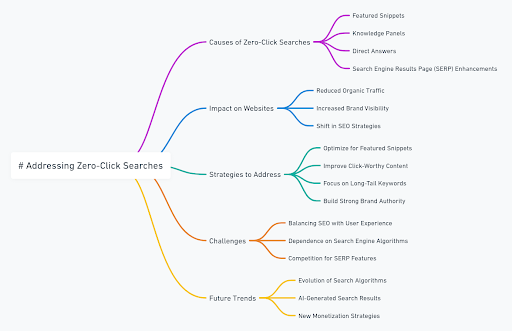
The rise of zero-click searches—where users get answers directly from search engine results without visiting external websites—poses challenges for driving traffic. According to SEMRush’s Zero-Clicks Study, only 25.6% of desktop and 17.3% of mobile searches result in zero clicks. However, zero-click searches can still negatively affect your SEO in some cases. Ranking at the top of the SERP doesn’t always guarantee immediate traffic. Brands need to focus on creating engaging content with structured data. Along with this, leverage featured snippets, and optimize for long-tail keywords to drive more clicks to your site.
SEO in 2025 is a trail to technological innovation and renewed emphasis on genuine, user-focused content. As AI influences search patterns and user experience becomes the focal point, the secret to success is crafting value-based strategies that genuinely connect. Are you ready to future-proof your SEO game?